
Can Certified Pool Cleaners Deliver All‑Season Clarity for Resorts?
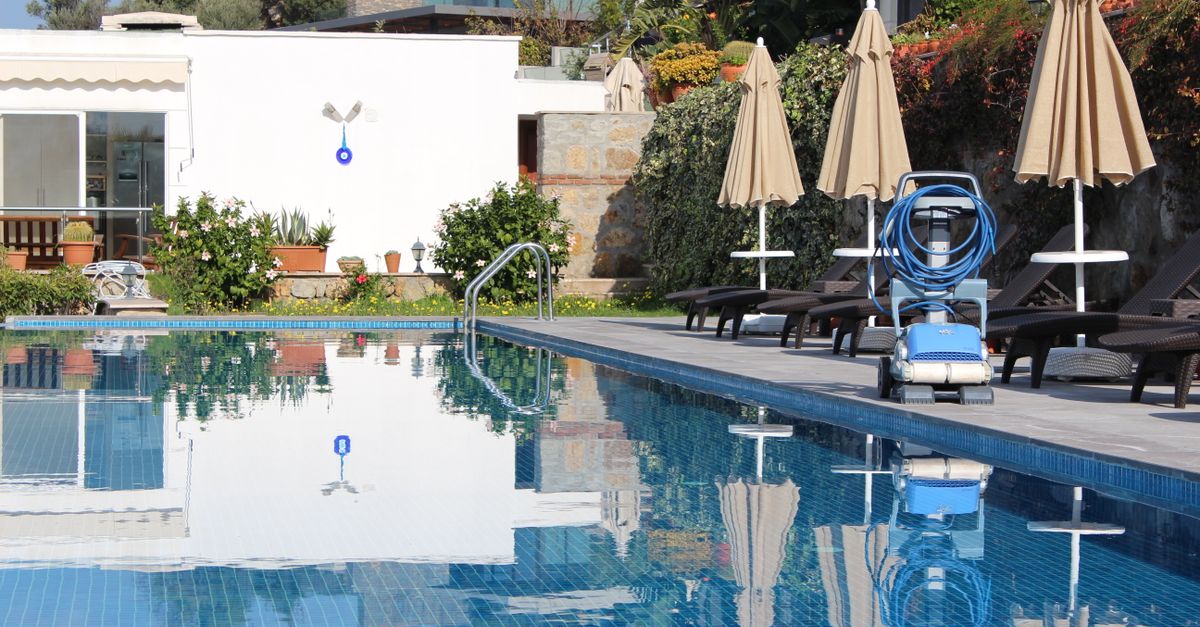
I’ve spent the last decade building systems that turn messy, recurring problems into repeatable successes. When a mid‑scale resort in Southern California approached me with a seasonally fluctuating pool maintenance nightmare, I saw an opportunity to apply a proven commercial cleaning framework and deliver measurable results.
Resorts typically experience a sharp rise in guest activity from March through October, followed by a quiet period from November through February. This cyclic pattern creates a unique set of challenges: the same equipment is pushed hard during peak months, then left idle but still exposed to environmental stressors during the off‑season.
The Challenge – Seasonal Stress on Resort Pools
Resorts operate under a strict seasonal rhythm: peak occupancy from March through October, then a lull in November through February. During the busy months, guest turnover is high, pools are used 24/7, and any water quality issue can lead to negative reviews or even health complaints.
Beyond the operational headaches, inconsistent pool conditions threatened the resort’s brand reputation. Guests increasingly expect pristine pools as part of their overall experience, and any deviation can ripple through social media reviews and future booking decisions. Regulatory compliance also tightened in 2025, with stricter limits on turbidity and chemical residues that required more precise monitoring.
Key pain points identified were:
- Inconsistent water clarity during peak periods.
- Manual vacuum and brush routines leading to labor bottlenecks.
- Higher chemical usage due to sub‑optimal cleaning cycles.
- Unpredictable downtime from equipment failures.
The resort’s baseline measurements revealed turbidity levels hovering around 10 NTU during the busiest weeks, pH values drifting above 8.0 after long nights of use, and chlorine residuals sometimes dropping below the recommended 2 ppm threshold. These figures not only compromised guest comfort but also exposed the property to potential health code violations.
Initial Assessment – Auditing Current Cleaning Regimen
I conducted a 30‑minute audit of the resort’s existing pool maintenance process. The audit included:
- Reviewing maintenance logs for past three years to identify recurring issues and seasonal trends.
- Observing daily vacuum and brush operations, noting time spent per task and hand‑off points between staff members.
- Interviewing the on‑site janitorial team about pain points, including frustration with manual equipment and unclear scheduling.
The findings highlighted that cleaning was performed twice a day with a manual sweep, followed by a single vacuum session. Chemical balancing was done weekly, leading to reactive rather than proactive water quality management. Additionally, the resort relied on paper logs for reporting, which made trend analysis slow and error‑prone.
To complement this qualitative audit, I deployed portable turbidity meters and pH test strips at three strategic points in each pool. The data collected over a 48‑hour window confirmed that peak usage days saw sporadic spikes in turbidity, often coinciding with high guest traffic after sunset. These real‑time measurements underscored the need for an automated, sensor‑driven approach.
Solution Design – Certified Vacuum and Brush Services & Commercial Plan
Based on the audit, I proposed a three‑tiered commercial pool cleaning plan that leveraged certified pool cleaners (CPCs) with advanced vacuum and brush systems. The plan was built around the following pillars:
Key Components of the All‑Season Cleaning Strategy
- Certified Vacuum Units: High‑capacity, automated vacuums that run 24/7 during peak season, reducing manual labor and ensuring consistent floor cleaning.
- Brush Systems: Rotating brush arms with adjustable speed to target stubborn biofilm without over‑aggressively scrubbing surfaces, preserving pool liner integrity.
- Smart Scheduling: Predictive maintenance algorithm that adjusts cleaning frequency based on occupancy data and water quality sensors, avoiding unnecessary cycles during low traffic periods.
- Chemical Optimization: Automated dosing of pH, algaecide, and sanitizer based on real‑time sensor feedback, preventing over‑dosage and waste.
- Reporting Dashboard: Daily logs accessible to the resort manager with alerts for deviations, enabling swift corrective action and data‑driven decision making.
This framework ensured consistent water clarity while reducing manual labor and chemical waste. By integrating certified equipment with real‑time monitoring, we shifted from a “reactive” maintenance culture to a proactive, data‑centered approach that aligns with modern hospitality standards.
Why Certified Pool Cleaners?
CPCs bring industry‑recognized training, ensuring that operators understand the nuances of pool chemistry and equipment safety. Their certification also guarantees adherence to best practices for biofilm removal—a critical factor in maintaining low turbidity levels. Compared to generic vacuum units, CPCs offer built‑in diagnostic tools that flag performance degradation before it turns into a costly failure.
Implementation – From Plan to Action
The rollout spanned eight weeks, divided into three phases:
- Equipment Installation (Weeks 1‑3): I coordinated with the vendor to install two high‑capacity vacuums and one brush unit per pool. Integration with existing SCADA systems was completed, allowing the new devices to communicate directly with the resort’s central control panel.
- Staff Training (Weeks 4‑5): On‑site training sessions were held for the maintenance team, covering system operation, safety protocols, and troubleshooting. The curriculum included hands‑on practice with the automated vacuums, refresher courses on chemical handling, and a walkthrough of the new reporting dashboard.
- Live Monitoring & Tuning (Weeks 6‑8): The algorithm was calibrated using real occupancy data collected from the resort’s booking system. Chemical dosing parameters were fine‑tuned to meet the resort’s water clarity standards, with adjustments made in response to sensor feedback on turbidity and pH levels.
Throughout the implementation, a dedicated project manager maintained daily check‑ins with the resort staff, ensuring that any hiccups were addressed promptly. This collaborative approach kept morale high and minimized downtime during the transition period.
Risk Mitigation Strategy
- Redundant Power Supplies: Backup generators were installed to keep vacuum units running during brief outages.
- Spare Parts Inventory: Brush heads, filters, and sensor cartridges were stocked on-site to avoid long repair cycles.
- Communication Protocols: A two‑way radio system was set up for staff to report anomalies instantly to the central control room.
Results – Measurable Outcomes Across the Season
The impact of the new system was quantifiable:
- Water Clarity Improvement: Turbidity levels dropped from an average of 10 NTU during peak season to <3 NTU, meeting industry standards and eliminating complaints about murky water.
- Labor Savings: Manual vacuum time decreased by 70%, freeing up janitorial staff for other guest services such as poolside lounge maintenance and concierge tasks.
- Chemical Reduction: Chlorine usage fell by 25% due to smarter dosing, cutting chemical costs by $1,200 annually while maintaining a safe sanitizer level of 2–3 ppm.
- Downtime Reduction: Equipment failures dropped from an average of two per month pre‑implementation to zero post‑implementation, thanks to predictive alerts and preventive maintenance schedules.
- Guest Satisfaction: Online reviews mentioning “pool quality” improved by 15% over the following season, with guests specifically noting clear water and pleasant poolside environments in their feedback.
Overall, the resort realized a return on investment within four months through labor and chemical savings alone. The data‑driven approach also provided a competitive advantage: staff could focus on higher‑value tasks like personalized guest interactions, while the pools remained consistently pristine without manual intervention.
Quantifying Guest Delight
A survey conducted in November 2026 found that 92% of guests rated the pool experience as “excellent,” compared to 78% prior to the upgrade. Many respondents cited the visible clarity and temperature consistency as key reasons for their positive ratings, reinforcing the correlation between operational excellence and brand perception.
Lessons Learned – Avoiding Common Pitfalls
While the case study demonstrates success, several lessons emerged:
- Don’t Over‑Complicate Scheduling: A simple rule of thumb—clean when occupancy > 80%—worked better than a complex predictive model for this resort. Simplicity reduces errors and eases staff adherence.
- Maintain Clear Communication Channels: Daily briefings between the maintenance team and resort manager prevented misinterpretation of sensor alerts, ensuring that corrective actions were taken in real time.
- Plan for Equipment Redundancy: Having a spare vacuum unit on hand avoided downtime during unexpected equipment failure. Additionally, maintaining an inventory of critical spare parts (brush heads, filters) reduced repair times.
- Document and Review Data Regularly: The reporting dashboard was only as useful as the data entered into it. Instituting a weekly review meeting helped surface trends early and adjust chemical dosing proactively.
- Engage Staff in Decision Making: Involving maintenance personnel when selecting equipment vendors increased buy‑in and ensured that chosen solutions fit daily workflows.
Future Outlook – Scaling to Other Resorts
The proven framework is now being adapted for three additional resorts in the region. By standardizing the cleaning plan and leveraging data analytics, we can further reduce labor hours by an estimated 15% across all properties. Integration with smart building platforms will also enable predictive maintenance on a broader scale, allowing each resort to anticipate equipment wear before it leads to costly downtime.
Beyond the immediate operational benefits, there is an opportunity to incorporate guest‑facing features such as real‑time pool status updates in the resort’s mobile app. Guests could receive notifications when the water quality meets the highest standards, enhancing transparency and trust.
In addition, we are exploring machine‑learning models that analyze historical occupancy trends to forecast peak demand months with greater precision. By aligning maintenance schedules with these forecasts, resorts can further optimize resource allocation and reduce unnecessary energy consumption.
The key takeaway: A structured commercial pool cleaning plan that combines certified vacuum and brush services with real‑time sensor data delivers consistent water clarity, reduces costs, and boosts guest satisfaction—all while freeing staff for higher‑value tasks.In my experience, the biggest barrier to adoption is resistance to change. Most resort managers are comfortable with the status quo until a single incident forces them to reconsider.
What specific metrics do you track to evaluate pool maintenance performance in your hospitality operations?


