
Choosing and Maintaining the Right Pool Cleaning Professionals in 2026
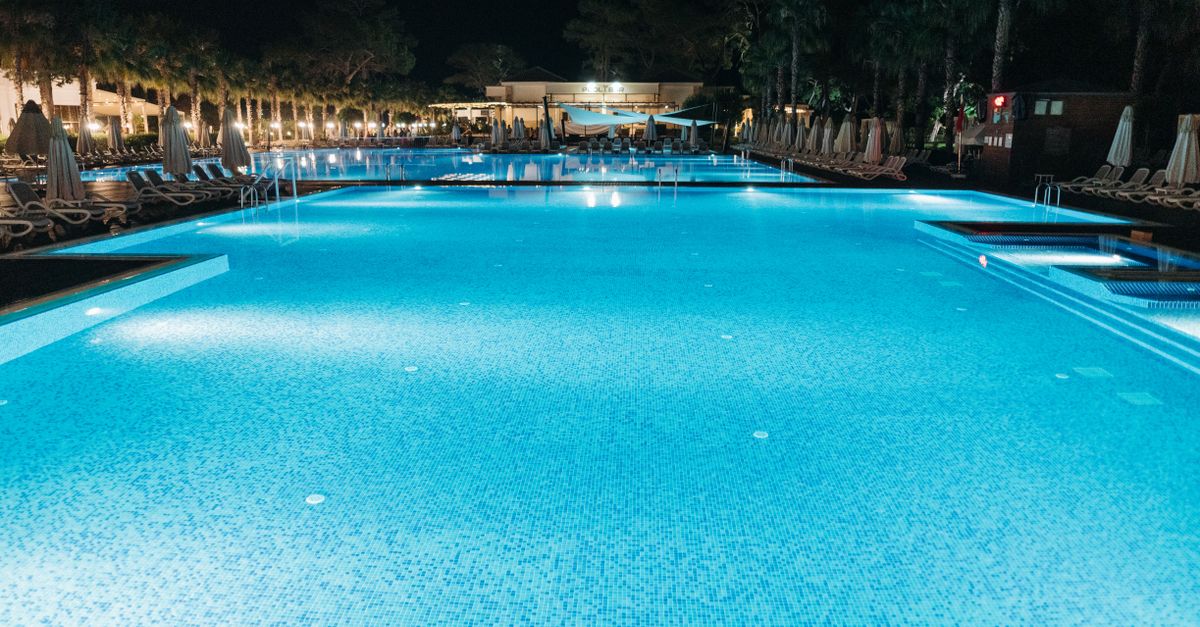
When your pool is a backyard oasis or a commercial hotspot, you need reliable cleaning that keeps water safe and surfaces pristine. In this interview‑style guide I walk through what to look for in experienced pool cleaning professionals, the best summer routine, how to care for liners, commercial expectations, and year‑round maintenance strategies.
1. What Makes a Pool Cleaning Professional Truly Experienced?
In my experience, an experienced pool cleaning professional is more than someone who can vacuum. They blend technical skill with a systems mindset that keeps both equipment and water chemistry balanced. Here are the core attributes I evaluate when hiring:
Key Attributes of Experienced Pool Cleaning Professionals
- Certifications & Training: Look for certifications from AWWA, PPD, or local pool associations.
- Equipment Knowledge: Proficiency with modern skimmers, pumps, and automatic cleaning systems.
- Chemical Management: Ability to set up test strips, interpret results, and adjust pH, alkalinity, and sanitizer levels accurately.
- Client Communication: Clear reporting of maintenance logs and quick response to concerns.
- Reliability & Scheduling: Consistent on‑time service with a flexible calendar for seasonal peaks.
I’ve worked with dozens of vendors over the years, and those who consistently score high in these areas deliver measurable results—clear water, fewer equipment breakdowns, and happier clients. If you’re unsure whether a vendor meets these standards, ask for references from both residential and commercial accounts; their ability to handle diverse loads often predicts performance.
In addition to the basics above, an expert will also demonstrate a proactive approach: they stay ahead of potential issues by regularly inspecting equipment for wear, updating software on automated systems, and recommending upgrades when technology advances. This foresight can translate into lower long‑term costs and fewer surprises for homeowners or businesses.
2. Summer Pool Cleaning: A Practical Checklist
The summer months bring increased usage, higher temperatures, and more debris. An effective routine reduces the risk of algae blooms and keeps guests comfortable. Below is a concise checklist that balances thoroughness with time efficiency.
Daily Tasks (for heavy‑use pools)
- Check water level and top off if needed.
- Inspect skimmer baskets for debris; clean at least once a week.
- Run filtration system for 8–10 hours or until the pressure gauge reads within 5 psi of baseline.
Weekly Tasks (for residential, less frequent use)
- Vacuum the floor and walls with a robotic cleaner or manual sweep.
- Test water chemistry; adjust pH to 7.2–7.6 and total alkalinity to 80–120 ppm.
- Shock the pool if cloudy or algae signs appear (usually every 3–4 weeks).
I often schedule a “deep clean” on the first Saturday of each month, where the technician does a full chemical reset, brushes all surfaces, and runs a secondary filtration cycle. This preemptive step keeps the summer season smooth and reduces emergency calls.
When planning your own schedule, consider peak usage times—late afternoons or weekends—and adjust the filtration run to cover those periods. Adding a brief post‑pooling rinse of the skimmer baskets can further prevent algae buildup during the hottest days. A simple trick is to use a 1:10 bleach solution to wipe down the skimmer after each event; it kills surface spores before they become visible.
3. How to Keep Your Pool Liner Clean and Long‑Lasting
Pool liners are the first line of defense against water damage but also the most vulnerable to scratches, algae, and sun degradation. Proper care can extend their life from 5–7 years to over a decade.
Liner Care Strategies
- Use a Non‑Abrasive Cleaner: Avoid harsh chemicals; instead use a pH‑balanced liner cleaner diluted in water.
- Brush Gently: A soft nylon brush or a microfiber cloth works best for surface scuffs.
- Maintain Proper Water Chemistry: Keep chlorine levels between 1–3 ppm and avoid high alkalinity, which can cause scale buildup on liners.
- Shade When Possible: Install an awning or use UV‑blocking films to protect from harsh sun exposure.
I’ve seen clients replace liners prematurely because they ignored these simple steps. A routine liner check every 6 months—looking for cracks, color fading, or water seepage—can catch problems early and save thousands in replacement costs.
When inspecting the liner, use a flashlight to spot hidden stains or warps that may indicate underlying damage. If you notice persistent staining, it’s often a sign of pH imbalance; correcting the chemistry usually resolves the issue without resorting to costly repairs. Remember that liners absorb UV radiation over time, so even well‑maintained pools benefit from periodic shading or reflective coatings.
4. Commercial Pool Cleaning: Scaling Up the Process
Commercial facilities such as hotels, gyms, or community centers demand higher standards of cleanliness, compliance with health regulations, and efficient turnaround times. The scale introduces new challenges that residential owners rarely face.
Key Considerations for Commercial Pools
- Regulatory Compliance: Must meet local health department codes; documentation is essential.
- Higher Volume Equipment: Larger pumps, variable speed motors, and high‑capacity skimmers reduce labor costs.
- Staff Training: Onsite personnel often handle routine tasks; the cleaning crew should train them on basic maintenance.
- Scheduling Flexibility: Overnight or off‑peak hours are common to minimize guest disruption.
I’ve partnered with a commercial client who installed an automated UV system that reduced chlorine usage by 30%. The upfront cost was offset within a year through lower chemical bills and fewer complaints about water quality. For any business, the ROI of investing in advanced technology can be significant.
Beyond equipment upgrades, a well‑structured maintenance plan for commercial pools often includes a dedicated cleaning schedule that aligns with guest arrival times. By coordinating with front‑desk staff to flag peak occupancy days, the cleaning crew can preemptively adjust filtration and chemical dosing to maintain optimal conditions. This coordination also ensures compliance audits run smoothly, as all data is logged in real time.
5. Year‑Round Pool Maintenance: A Systematic Approach
A solid maintenance plan keeps your pool safe and reduces costly repairs. The goal is consistency—small daily actions prevent big problems later.
Seasonal Maintenance Overview
- Winter (Closed Season): Lower chemical levels, cover the pool, and schedule a professional check for equipment integrity.
- Spring (Reopening): Conduct a full water test, balance chemicals, shock the pool, and clean liners before guests return.
- Summer: Follow the daily/weekly tasks outlined above; monitor usage spikes during events.
- Fall: Gradually reduce chemical levels, replace filter media if needed, and prepare for winter cover.
I often use a digital logbook—an app that syncs with my smartwatch—to record every task. This data not only provides proof of compliance but also helps identify patterns such as recurring pH spikes or filtration issues, allowing me to tweak the schedule proactively.
Key Takeaway: Consistency in daily checks and a proactive approach to liner care can extend pool life by up to 50% while keeping maintenance costs predictable.In my experience, clients who adopt a structured routine see fewer emergency repairs and enjoy higher satisfaction from guests or family members. The investment in a qualified professional and a disciplined schedule pays off both financially and emotionally.
What is the most common mistake you’ve seen pool owners make when hiring cleaning services?The most frequent oversight is focusing solely on price and overlooking the depth of service. Many owners choose a contractor who offers the lowest hourly rate but lacks comprehensive training or fails to provide detailed maintenance logs. This can lead to inconsistent water chemistry, missed equipment inspections, and ultimately higher costs when problems arise. A thorough vetting process—including asking for recent client references, verifying certifications, and reviewing their reporting system—helps ensure you’re getting a professional who delivers consistent quality rather than just a cheap service.


