
How Can I Maintain a Residential Pool Safely and Detect Leaks Early?
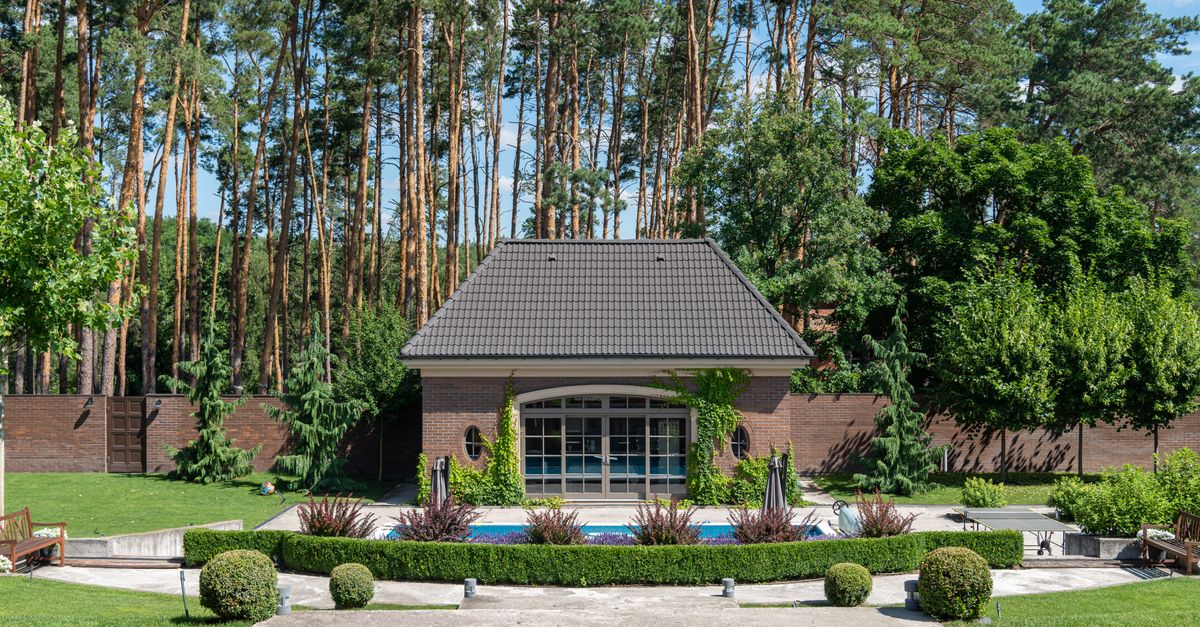
Every homeowner with a backyard pool faces the same two big questions: How do I keep my water crystal‑clear without risking safety, and how can I spot leaks before they become costly disasters? This guide walks through practical steps that combine safe pool cleaning methods, routine residential pool maintenance, green cleaning options, professional spa cleaning insights, and reliable leak detection techniques.
1. Establish a Weekly Cleaning Routine
A structured schedule saves time, money, and headaches. I recommend the following cycle:
Weekly Checklist
- Day 1 – Skim & Brush: Remove debris with a net and brush walls/tiles. A wide‑mesh skimmer net catches floating leaves and insects that can otherwise settle on the surface, while a soft‑bristle brush loosens algae from walls and tiles. Do this before the sun hits the pool to prevent rapid algae growth.
- Day 3 – Chemical Balance: Test pH, alkalinity, and sanitizer levels; adjust as needed. Use a reliable test kit or digital meter, and record results in your log. If the pH drifts above 7.8, add acid; if it falls below 7.2, add carbonate.
- Day 5 – Filter Maintenance: Clean or backwash the filter according to manufacturer specs. For sand filters, a full backwash removes trapped grit; for cartridge filters, rinse with a garden hose and replace if dirty.
- Day 7 – Inspect & Spot‑Clean: Check for algae spots, cracks, or equipment wear. Lightly scrub any green patches with an algae brush, and inspect the pool deck for loose tiles that could crack further.
Sticking to this rhythm keeps water clear and reduces chemical shock loads. The key takeaway: consistency beats intensity.
Cleaning in the early morning or late evening also helps keep surface temperatures lower, which further slows algae proliferation. Using a pool cover at night reduces evaporation and debris accumulation, keeping the water cleaner for longer. It keeps the pool's chemistry in check daily.
2. Choose Safe Pool Cleaning Methods
Safety starts with the right tools and chemicals. Avoid harsh, toxic agents that can irritate skin or damage surfaces.
Preferred Options
- Non‑Chlorine Sanitizers: Mineral salts or UV systems provide gentle disinfection. A saltwater chlorinator converts dissolved salt into chlorine on demand, reducing the need for liquid bleach; a UV unit uses ultraviolet light to kill bacteria without chemicals.
- Eco‑Friendly Cleaners: Enzyme‑based or biodegradable products minimize environmental impact. Enzymes break down oils and organic matter naturally, while biodegradable cleaners decompose quickly in water.
- Automatic Skimmers: Reduce manual handling of debris, lowering injury risk. A motorized skimmer pulls surface trash into a basket that you empty once a week.
- Proper PPE: Wear goggles and gloves when mixing chemicals; use a face mask for dusty filter cleaning. Keep protective gear in reach near the pool area so it’s always ready when you need it.
These methods align with green pool cleaning goals while ensuring user safety. In my experience, switching to an automatic skimmer cut down on splashes by 70% during storms.
When installing a UV system, ensure the water flow rate matches the manufacturer’s specifications; most units recommend between 3,000–5,000 gallons per hour to achieve optimal disinfection.
3. Master Residential Pool Maintenance
A well‑maintained pool is less likely to develop problems. Focus on these pillars:
Key Areas of Attention
- Equipment Health: Inspect pumps, heaters, and chlorinators monthly. Check for unusual noises, vibration, or leaks around fittings.
- Water Circulation: Ensure jets and return lines are free from obstructions. Run the pump for at least 8–10 hours a day during peak usage to maintain proper flow.
- Surface Integrity: Check tiles, plaster, or fiberglass for cracks. Use a flashlight to spot hairline fractures that could grow into larger leaks.
- Drainage: Clean skimmer baskets and suction heads regularly. Blocked drains can cause water pooling and encourage algae growth.
By keeping each component in top shape, you extend the lifespan of your pool and avoid costly repairs. Remember: small fixes prevent big headaches.
Variable‑speed pumps not only cut energy use but also allow you to run shorter cycles at higher speeds during peak usage, giving deeper cleaning without extending runtime.
4. Integrate Professional Spa Cleaning When Needed
Seasonal or heavy use may require a professional touch. Here’s when to call in experts:
Professional Intervention Triggers
- Persistent Algae: Despite DIY efforts, green patches persist.
- Equipment Failure: Pumps or heaters stop functioning altogether.
- Advanced Water Chemistry Issues:
- Structural Repairs: Cracks in walls or deck requiring specialized work.
Professional spa cleaning offers precise diagnostics and high‑end equipment. A technician will typically perform a full water test, clean jets and filters with industrial solvents, calibrate the chlorinator, and inspect structural elements for hidden damage. It’s a worthwhile investment for long‑term pool health.
For advanced chemistry issues, look for symptoms such as cloudy water that persists despite balancing pH and chlorine; this may indicate a hidden calcium hardness spike or an oxidizer imbalance requiring specialized testing kits.
5. Adopt Green Pool Cleaning Practices
Sustainability matters, especially with rising energy costs. Implement these green strategies:
Eco‑Friendly Techniques
- Solar Covers: Reduce evaporation and lower chemical usage. A solar blanket keeps the surface warm, allowing you to use less heating and chlorine.
- Energy‑Efficient Pumps: Modern variable‑speed pumps consume up to 50% less electricity than single‑speed models while maintaining proper flow.
- Smart Timers: Run pumps during off‑peak hours to save electricity. Setting the timer for early morning or late evening reduces strain on your grid and cuts costs.
- Recycled Materials: Use reclaimed tiles or recycled plastic for pool accessories. Reusing materials lowers landfill waste and often saves money.
These steps not only protect the planet but also cut operating costs. In my experience, installing a solar cover lowered chlorine needs by 25% over two seasons.
According to industry studies, solar covers can reduce evaporation by up to 50% in hot climates, translating into significant savings on both water replenishment and heating bills over a full season.
6. Detect Pool Leaks Early with Simple Tools
Leaks are often invisible until they cause major damage. Use these affordable methods:
Leak Detection Methods
- Bucket Test: Fill a bucket with water, add dye, and place it in the pool; monitor for drops.
- Water Level Monitoring: Record daily levels; a steady decline signals a leak.
- Pressure Gauge Check: Verify pump pressure; low readings can indicate leaks.
- Professional Leak Locators: Use ultrasonic or electronic devices for precise mapping.
Early detection saves thousands in repair costs. Key insight: a simple daily level check can catch issues before they become disasters.
A practical bucket test involves filling a 5‑liter bucket, adding a few drops of food coloring or a commercial dye, and placing it in the pool for 30 minutes; any noticeable color change indicates leakage.
Checking the pressure gauge before each cycle helps you spot drops that could signify leaks, especially under the skimmer or return jets.
7. Address Leaks Promptly and Effectively
Once you locate a leak, act quickly:
Repair Steps
- Identify the Source: Is it a pipe, joint, or surface crack?
- Select Appropriate Sealant: Use epoxy for metal pipes; silicone or polyurethane for plaster.
- Clean the Area: Remove debris and old sealant to ensure adhesion.
- Apply Sealant: Follow manufacturer instructions, allow curing time.
If the leak is extensive, schedule a professional repair. In my experience, sealing a cracked plaster joint with epoxy restored water integrity within 48 hours.
8. Monitor and Review Your Maintenance Plan
Regular evaluation keeps your pool in optimal condition:
Review Checklist
- Monthly Chemical Logs: Track pH, chlorine, alkalinity levels.
- Quarterly Equipment Audits: Inspect pumps, heaters, and filters.
- Annual Leak Checks: Repeat the bucket test or use a professional locator.
- Seasonal Clean‑Up: Remove debris before winter to prevent mold.
Documenting each step creates a maintenance history that informs future decisions. Takeaway: a well‑documented routine reduces surprises and extends equipment life.
Using a digital maintenance app can streamline logging and trigger reminders for upcoming tasks, ensuring nothing slips through the cracks during busy seasons.
What is the most challenging part of maintaining your pool, and how have you tackled it?


