
How Do I Choose a Reliable Pool Cleaning Service for Sparkling Water?
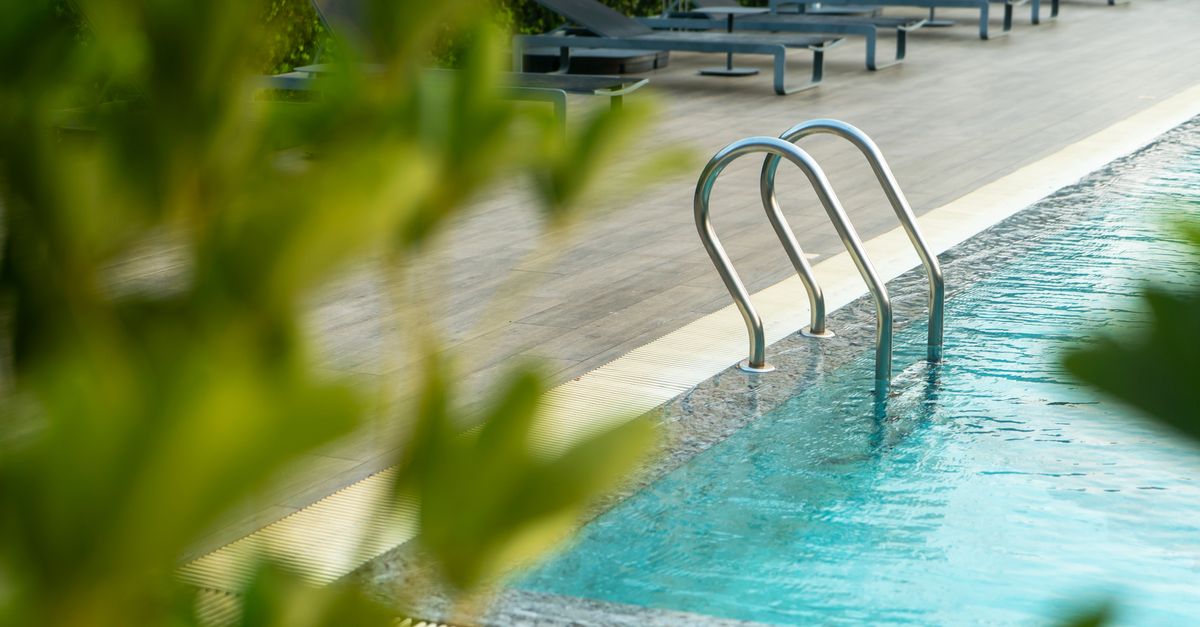
Every homeowner who owns a pool knows that maintaining sparkling water is more than just a weekend chore. The combination of regular upkeep, precise chemical balance, and dependable service can keep your pool safe, clean, and inviting all year long.
1. Why Sparkling Pool Cleaning Matters in 2026
A clear, sparkling surface isn’t just a visual perk; it’s an indicator that the water chemistry is balanced and that algae, debris, and bacteria are under control. In 2026, pools often have smart monitoring systems, but they still rely on human or automated cleaning to remove solids and adjust chemicals.
Neglecting routine cleaning can lead to cloudy water, skin irritation, and costly repairs for the filtration system. A reliable pool cleaning service ensures that your investment remains a safe recreational space without unexpected downtime.
2. Choosing a Reliable Pool Cleaning Service
When evaluating providers, I focus on five critical criteria: experience, equipment quality, customer support, pricing transparency, and technology integration. Selecting the right provider is not only about price; it also influences the longevity of your pool’s filtration system and water clarity.
Key Criteria for Selecting a Service
- Years of Service: Look for companies with at least 5–10 years in the market; longevity often correlates with expertise. Companies that have navigated multiple economic cycles tend to offer more flexible payment options.
- Equipment Standards: Modern vacuums, automatic skimmers, and UV sanitizers reduce manual labor and improve water clarity. The latest robotic vacuums can map your pool’s geometry, ensuring no corner is missed during cleaning.
- Response Time: Reliable providers guarantee a 24‑hour call-back window for emergencies. A 24‑hour turnaround guarantees that any accidental chemical imbalance is corrected before it affects swimmers.
- Transparent Pricing: Fixed monthly rates plus clear add-on fees prevent hidden costs.
- Tech Savvy: Services that offer mobile apps or IoT integration allow real-time monitoring of water quality and cleaning schedules. Many apps also provide reminders for seasonal maintenance tasks, ensuring you never miss a critical step during busy summer months.
In my experience, a service that offers a digital dashboard for scheduling and chemical tracking usually delivers the best customer satisfaction. It’s worth paying a little extra if you can see your data in real time.
3. Pool Chemical Delivery Options
Getting the right chemicals on time is essential for maintaining safe water levels. There are three common delivery models: in‑home, subscription services, and DIY bulk purchases.
Delivery Models Compared
- In-Home Delivery: The supplier comes to your location with pre-measured chemicals; convenient but may involve a higher per‑unit cost.
- Subscription Services: Monthly or bi‑weekly deliveries based on your pool size; often offer discounts for recurring orders. For most homeowners, a subscription model strikes the right balance between convenience and cost control. It eliminates the risk of running out of chlorine or alkalinity during peak usage.
- DIY Bulk Purchases: Buying in large quantities at wholesale prices, then measuring yourself; saves money but requires accurate dosing knowledge. However, this route demands precise storage conditions; chemicals degrade if exposed to high temperatures or humidity.
For most homeowners, a subscription model strikes the right balance between convenience and cost control. It eliminates the risk of running out of chlorine or alkalinity during peak usage.
4. Regular Pool Upkeep: Weekly and Monthly Tasks
A routine schedule keeps the pool in top shape without constant oversight. Below is a practical checklist that I follow for my own backyard pool.
Weekly Maintenance Checklist
- Skim surface debris with a net or automatic skimmer.
- Vacuum the bottom and walls to remove settled particles.
- Check pH and total dissolved solids (TDS) levels; adjust if needed. Using a digital test strip reduces the margin of error compared to traditional liquid reagents.
- Inspect filters for clogging; backwash when pressure rises by 8–10 psi.
- Record readings in a log or app for trend analysis.
Monthly Deep‑Clean Tasks
- Shock the pool with a high‑strength chlorine product to eliminate biofilm.
- Test and adjust calcium hardness to prevent scaling.
- Replace filter cartridges if they’re more than 70% clogged. Also, inspect the pool’s ladders and steps for cracks that could harbor bacteria.
- Flush the entire system to ensure proper circulation.
Sticking to this schedule reduces the need for emergency cleanups, which can be expensive and disruptive.
5. Pool Water Treatment: Balancing pH, Chlorine, and Algae Control
A sparkling pool is a result of precise chemical equilibrium. Here’s how I manage each component.
- pH Management: Maintain 7.4–7.6; use sodium bicarbonate to raise or muriatic acid to lower.
- Chlorine Levels: Target 1–3 ppm for residential pools; use stabilized chlorine (dichlor) for longer residuals.
- Algaecides: Apply a broad‑spectrum algaecide every 4–6 weeks, especially during hot months.
- Shock Treatment: Perform an electroshock or chemical shock monthly to eliminate organic contaminants. If you notice a persistent green hue, it may signal a hidden algae bloom; a targeted algaecide can resolve this quickly.
In my experience, monitoring these parameters with digital test strips saves time and improves accuracy compared to traditional liquid testing kits.
6. Common Mistakes and How to Avoid Them
Even seasoned pool owners make errors that compromise water quality. Below are three pitfalls I’ve seen and how to sidestep them.
- Over‑shocking: Using too much chlorine can lead to cloudy water and irritation; follow manufacturer dosage charts.
- Ignoring Filter Maintenance: A clogged filter reduces circulation, causing stagnation. Schedule backwashing every 2–3 weeks during use.
- Failing to Record Data: Without logs, you can’t detect trends or anticipate chemical needs; keep a digital log for at least three months. A simple spreadsheet or mobile app can flag when your chlorine levels are trending toward the upper limit, preventing over‑shocking.
A proactive approach to these issues extends the life of your equipment and keeps water consistently clean.
7. Technology and Automation in 2026 Pool Maintenance
The pool industry has embraced smart devices that monitor pH, temperature, and chlorine levels automatically. These systems can send alerts to your phone when readings drift outside safe ranges.
- Smart Sensors: Place them in the skimmer box for real‑time data; integrate with your home automation system.
- Automated Pumps: Energy‑efficient variable speed pumps adjust flow based on demand, reducing electricity usage.
- Mobile Apps: Many providers now offer dashboards that let you schedule cleanings and view chemical histories online. Many apps also provide reminders for seasonal maintenance tasks, ensuring you never miss a critical step during busy summer months.
While the upfront cost is higher, the long‑term savings in labor and energy make automation a worthwhile investment for most homeowners.
8. Cost Considerations and Return on Investment (ROI)
A reliable pool cleaning service can range from $50 to $120 per visit, depending on size and scope. However, factoring in equipment wear, chemical waste, and time spent DIY, professional maintenance often pays for itself within 1–3 years.
- Professional Cleaning: Consistent service prevents costly repairs caused by clogged filters or corrosion.
- Chemical Management: Accurate dosing reduces excess usage and lowers overall chemical expenses.
- Energy Savings: Automated pumps run only when needed, cutting electricity bills.
When evaluating ROI, consider both tangible savings and the intangible benefit of having a sparkling pool ready for family gatherings and guests.
Key takeaway: A reliable pool cleaning service that integrates technology and follows a structured maintenance schedule is essential for maintaining sparkling water and preventing costly repairs.What’s your most effective strategy for balancing DIY maintenance with professional services?


