
How Do I Find Reliable Pool Cleaning Near Me in 2026?
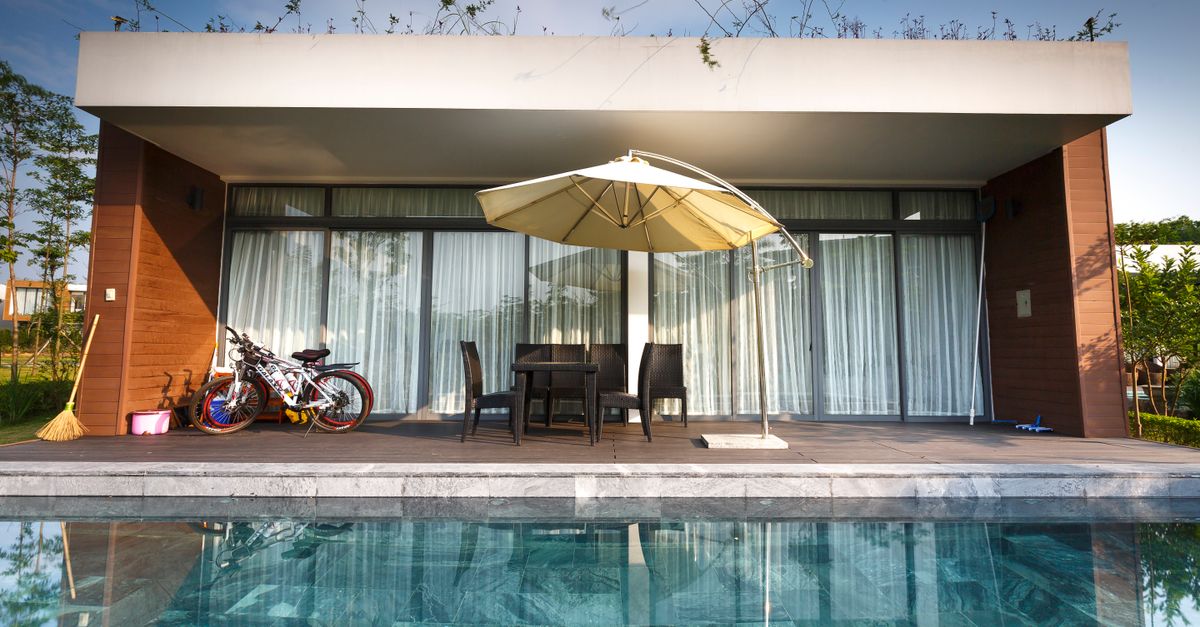
When you own a residential pool, the goal is simple: keep it clean without breaking the bank. In 2026, options range from automated systems to app‑controlled cleaners and professional services that promise “vacuum and brush” coverage. Below are practical steps for choosing a reliable provider, scheduling maintenance, and tackling common stains so your pool stays crystal clear.
Know Your Pool Type and Size – The Foundation of Maintenance
Your strategy starts with knowing what you have: in‑ground or above‑ground, saltwater or chlorine, concrete or fiberglass. Each type demands a different routine and equipment.
Checklist for Assessing Your Pool’s Needs
- Dimensions: Length, width, depth, surface area.
- Material: Concrete, vinyl liner, fiberglass, or tile.
- Water chemistry: Salt vs. chlorine; pH range.
- Existing equipment: Automatic cleaner, skimmer basket size, filter type.
- Local climate: Rainfall patterns affect cleaning frequency.
If any detail is unclear, call the manufacturer or a local pool tech. A mis‑matched service can waste time and money.
Concrete pools often need more brushing because their porous surface traps algae spores, while fiberglass pools are smoother but may develop calcium scale on edges if pH is too high. Saltwater systems generate chlorine naturally; they require regular salt level checks (2500–3500 ppm) and occasional cell cleaning to prevent scaling.
In‑Ground vs. Above‑Ground
An in‑ground pool usually has a concrete or brick perimeter, whereas an above‑ground unit has a raised frame with a removable liner. Knowing this helps you choose the right tools: larger suction heads for in‑ground pools and lightweight vacuums for above‑ground ones.
Choosing Vacuum and Brush Services
“Vacuum and brush” services advertise quick sweeps, but results vary. Here’s what to look for.
Top 5 Factors When Picking a Service
- Method: Manual suction vs. robotic or pressure‑based cleaning.
- Brush design: Nylon versus steel bristles; how they handle algae and debris.
- Use of biocides; some add algaecide during vacuuming, reducing manual maintenance.
- Service frequency options (weekly, bi‑weekly).
- Warranty or satisfaction guarantee.
Ask for a detailed breakdown of the “vacuum” and how often the brush is replaced. A reputable provider will show you a maintenance log.
Manual vs. Robotic Vacuuming
Manual suction needs skill and can miss corners or the bottom; robotic cleaners follow preset paths but may struggle with steep ramps or uneven surfaces. For pools with many features—stairs, waterfalls, deep pockets—a hybrid approach (robotic for general cleaning plus manual spot‑vacuuming) often works best.
Pressure‑Based Cleaners
These units use high‑pressure jets to remove stubborn algae and scale. Ideal for large concrete pools where brushing alone isn’t enough. They consume more energy and can be noisy, so schedule them early morning or late evening.
Scheduling Reliable Pool Cleaning – Frequency & Timing
Too little cleaning makes water murky; too much wastes labor. In 2026, a bi‑weekly schedule balances cost and cleanliness during peak months.
Weekly, Bi-Weekly, Monthly: What Works Best?
- Weekly: Heavy use or hot climates with rapid algae growth.
- Bi‑weekly: Moderate usage for most residential pools.
- Monthly: Low‑use or winter months when the pool isn’t operating.
Select a day that fits your routine. I schedule cleanings on Saturdays so kids can swim afterward without waiting for cleanup.
Seasonal Adjustments
- Spring: After dormancy, start with a deep clean to remove residue and rebalance chemicals; schedule two visits in the first month.
- Summer: Increase frequency during peak use—weekly if you host gatherings or have young children.
- Fall: Reduce visits as temperature drops; bi‑weekly is usually enough until winter closure.
- Winter: In mild climates, keep monthly cleanings to prevent scale buildup. In colder areas, shut down the system and perform a once‑per‑season check‑in.
Tackling Common Stains and Water Quality Issues
Even well‑maintained pools develop stains: algae blooms, copper discoloration from metal pipes, or calcium scale around tiles. Recognizing these early saves costly repairs.
Effective Methods for Pool Stain Removal
- Algae: Shock the water with a high‑dose chlorine tablet and run the filter 24 hours.
- Copper: Use a pH‑adjusted copper sequestering agent; test every 30 days.
- Calcium scale: Apply a descaling solution to affected areas, then rinse thoroughly.
- Biological stains (e.g., mold on walls): Spot‑clean with diluted bleach and scrub with a brush.
A consistent pH of 7.2–7.4 keeps algae from setting in, so I always check the meter before each cleaning session.
Step‑by‑Step Algae Removal
- Test water: If pH > 7.8 or TDS is high, reduce them first.
- Add shock: Place a calibrated tablet (or liquid chlorine) at the pool’s deepest point.
- Run filtration: Operate the filter on maximum speed for 24 hours to circulate the treated water.
- Brush walls and floor: Use nylon to loosen surface algae before vacuuming.
- Rinse: After filtration, rinse with fresh water if needed.
DIY Maintenance Tasks vs. Professional Services – When to DIY
Not everything needs a pro. The most time‑saving tasks are simple checks you can do yourself.
Do It Yourself Checklist
- Water level: Adjust weekly; too low or high affects skimmer operation.
- Chemical balance: Test pH, alkalinity, and chlorine twice a week with a reliable kit.
- Skimmer basket: Empty at least once per week to prevent overflow.
- Filter cleaning: Backwash or clean cartridge every 4–6 weeks depending on usage.
Doing these checks can cut pro costs by up to 30%. I keep a quick‑reference sheet taped near the pool to avoid forgetting any step.
Backwashing a Sand Filter in Detail
- Turn off the pump: Ensure no water is moving through the filter.
- Select backwash cycle: Switch the valve to “backwash” and start the pump. The sand pushes debris out of the return line.
- Observe color change: When the water runs clear, switch the valve to “flush” for a few minutes to rinse remaining solids.
- Reset to filter mode: Return the valve to “filter” and restart the pump.
Cost Considerations & Budgeting for Residential Pool Maintenance
The average annual cost of maintaining a residential pool in 2026 ranges from $1,200 to $3,000, depending on size and usage. Breaking it down helps you decide where to invest.
Average Costs and How to Save Money
- Professional cleaning: $80–$150 per visit; bi‑weekly visits total $1,920–$3,600 annually.
- Automated cleaners (robotic): $200–$500 upfront plus minimal maintenance.
- Chemical supplies: $300–$700 yearly for chlorine, algaecides, pH adjusters.
- Filter replacement: $150–$400 per cartridge or sand filter.
Reduce expenses by choosing a subscription plan that bundles vacuuming, brushing, and chemical checks. Many providers now offer app‑based scheduling, cutting administrative overhead.
Bulk Purchasing & Energy Efficiency
- Buy chemicals in bulk: Most suppliers give discounts for larger orders; store them dry and cool to extend shelf life.
- Use solar‑powered pumps: Solar panels offset electricity costs for circulation and filtration during daylight.
- Optimize filter cycle times: Run the filter only when necessary—often 8–12 hours per day is enough for moderate use, reducing energy consumption.
In my experience, a clear inventory of what you own and how often it needs attention is the first step toward long‑term savings. I keep a spreadsheet that logs every cleaning, chemical addition, and filter change; this data lets me spot trends and negotiate better rates with providers.
What’s one maintenance tip you’ve found surprisingly effective for keeping your pool crystal clear?


