
How Do Vacuum and Brush Services Keep Pools Clean Safely?
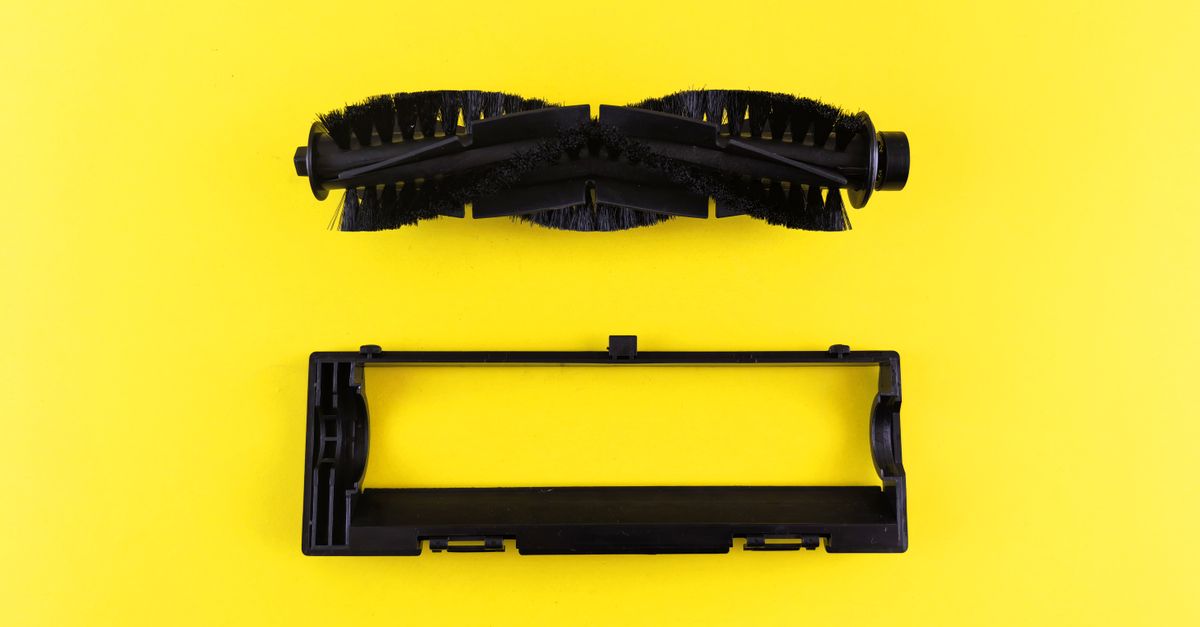
The question on most homeowners’ minds is not whether a pool needs cleaning, but how to guarantee that the cleaning process is efficient, safe, and reliable. In 2026, vacuum and brush services have evolved from basic maintenance to high‑tech, data‑driven solutions that align with health regulations and homeowner expectations.
Understanding the Basics of Vacuum & Brush Services
A standard vacuum service uses either a manual or automatic system to remove debris from the pool floor. The brush component scrubs surfaces to prevent algae buildup and maintain clear water. Together, they form the core of any weekly pool care expert’s routine.
When evaluating providers, consider whether they use robotic vacuums, which can clean more thoroughly with fewer human interventions, or traditional suction‑based systems that rely on a house pump. Each has pros and cons related to cost, energy consumption, and maintenance.
Key Features to Compare
- Type of vacuum: Robotic vacuums offer autonomous navigation and programmable schedules, while manual or suction‑based units provide flexibility for irregular pool shapes.
- Brush material and durability: Look for nylon bristles with reinforced fibers that resist wear from constant contact with tiles, stone, or vinyl liners.
- Frequency options: Weekly, bi‑weekly, or monthly plans can be tailored to the pool’s usage patterns; higher traffic pools often benefit from daily brushing.
- Integration with smart pool systems: Some units sync with app dashboards that log cleaning times, water chemistry, and filter status for real‑time monitoring.
- Warranty and service agreements: A comprehensive warranty covers parts and labor for a set period, while a service agreement may include priority scheduling during peak seasons.
The choice between these features often hinges on the size of the pool, the homeowner’s budget, and whether they plan to use advanced monitoring tools. For example, a 25‑by‑50 foot residential pool with a vinyl liner may only need a weekly suction vacuum, whereas a custom pool with multiple steps and a stone floor might benefit from a robotic unit that can navigate tight corners.
What Makes a Weekly Pool Care Expert Reliable
Reliability in this industry is measured by consistency, responsiveness, and adherence to safety protocols. A trustworthy expert will provide clear scheduling, detailed reporting, and transparent pricing.
In my experience, the best providers use a digital dashboard that shows real‑time water chemistry and cleaning logs. This transparency builds trust and allows homeowners to intervene if something feels off. A reliable contractor will also keep an up‑to‑date service log that records each visit’s date, time, and tasks performed.
Checklist for Selecting a Provider
- Verified certifications: EPA, local health boards, or industry associations such as the Pool & Hot Tub Alliance validate expertise.
- Positive customer reviews with specific service details: Look for comments on responsiveness, thoroughness, and professionalism.
- Availability of emergency or after‑hours support: A 24/7 hotline can resolve sudden chemical imbalances or equipment failures.
- Comprehensive insurance coverage: Liability and workers’ compensation protect both the homeowner and the crew.
- Clear escalation procedures for equipment failures: Providers should outline steps to replace parts or schedule repairs without disrupting service frequency.
These criteria help filter out companies that treat pool care as a simple chore rather than a professional obligation. A reputable company will also offer an initial assessment, free of charge, that evaluates the pool’s condition and recommends a customized maintenance plan.
Safe Pool Cleaning Methods to Protect Your Family and Equipment
Safety is paramount. A well‑executed cleaning cycle prevents chemical exposure, reduces slip hazards, and protects sensitive equipment such as heaters and pumps.
Safe methods include:
- Using low‑toxic surfactants that break down organic matter without leaving harmful residues.
- Employing chlorine‑free shock treatments—such as potassium monopersulfate—when appropriate for the pool’s usage patterns to avoid over‑chlorination.
- Regularly inspecting filters to avoid clogging, which can lead to pressure spikes and leaks.
- Ensuring all cleaning equipment is grounded and complies with local electrical codes.
A typical cleaning cycle might follow these steps:
- Pre‑clean assessment: Check water clarity, test pH and chlorine levels, and inspect the filter for visible debris.
- Vacuuming: Run a suction or robotic vacuum for 30–45 minutes, ensuring it reaches corners, steps, and near equipment housings.
- Brushing: Use a stiff‑bristle brush on tile grout lines, stone edges, and the pool’s interior walls to dislodge algae spores.
- Post‑clean chemical balancing: Re‑test water chemistry, adjust pH to 7.4–7.6, and add sanitizer as needed.
- Equipment check: Verify that heaters, pumps, and skimmers are operating within manufacturer specifications; replace any worn belts or gaskets promptly.
The combination of these practices not only keeps water clear but also extends the lifespan of pool components. For instance, routine filter cleaning reduces the need for costly replacement filters by up to 30 % over a two‑year period.
Key takeaway: A dependable vacuum and brush service is built on technology, transparency, and a strict safety protocol that protects both your family and your investment.Hot Tub Cleaning Services – Are They Covered by Standard Pool Service Plans?
Many homeowners assume that a standard pool care plan automatically includes hot tubs. In reality, the two require distinct approaches because of differences in water volume, temperature, and chemical balance.
If your service provider offers bundled plans, verify whether they include:
- Dedicated hot tub sanitizers (e.g., bromine or specialized chlorine) that maintain a stable pH while preventing scalding.
- Regular filter changes tailored to smaller volumes; hot tubs often need filter replacement every 6–12 months depending on usage.
- Temperature monitoring equipment that alerts you to overheating, ensuring the heater remains within safe operating limits.
Failing to address these specifics can result in rapid buildup of bacteria and a shortened lifespan for the hot tub’s components. A good provider will also schedule monthly deep‑cleaning sessions that involve removing the cover, scrubbing the shell with non‑abrasive cleaners, and re‑balancing chemicals.
Choosing a Provider for Health Clubs vs Residential Use
Health clubs present unique challenges: higher usage rates, larger surface areas, and stricter health regulations. A service plan that works for a single family pool may not scale effectively to a commercial setting.
Key differences include:
- Higher frequency of cleaning: Many health clubs require daily or multiple times per week scrubbing to meet hygiene standards.
- Use of industrial‑grade equipment: Commercial pools often use high‑capacity pumps, UV systems, and automatic chemical feeders that demand specialized maintenance.
- Compliance with local health department codes: Documentation must include detailed logs, water test results, and a scheduled inspection report.
- Insurance requirements: Public liability coverage is mandatory to protect against accidents involving patrons.
When selecting a provider, ask whether they have experience servicing health clubs, and request references or case studies demonstrating their ability to meet these demands. A reputable company will also offer staff training sessions that cover proper handling of chemicals and equipment to ensure consistent safety standards.
What specific safety features do you look for when hiring a pool cleaning service for a community or commercial setting?


