
Pool Cleaning for Health Clubs: A Practical Maintenance Blueprint
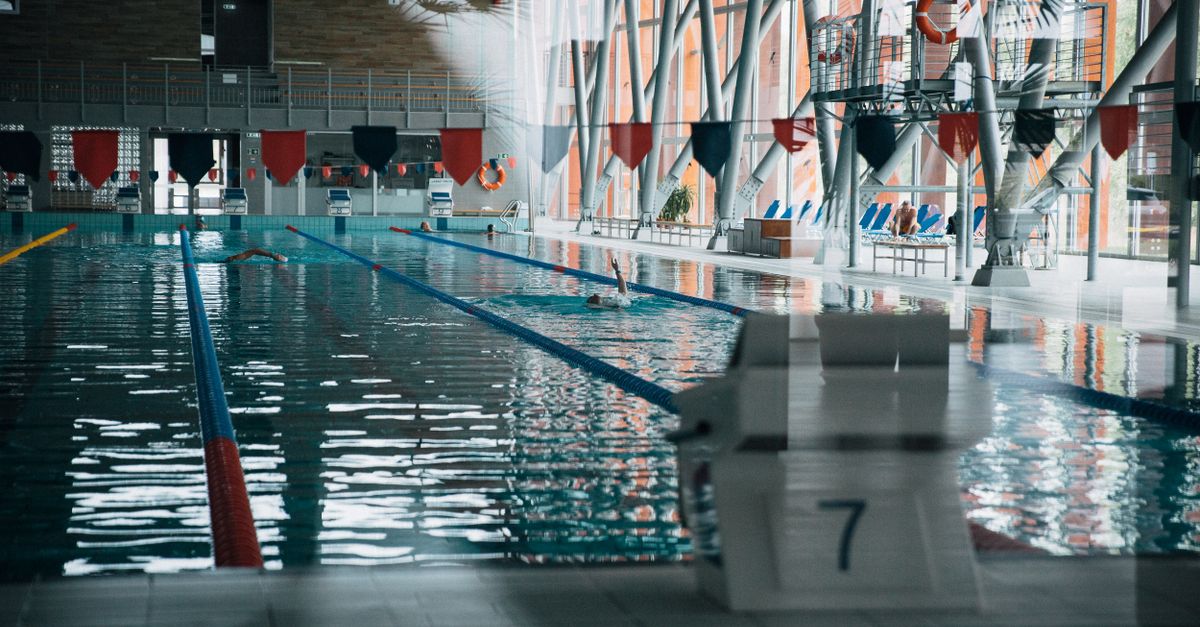
Running a health club means juggling member experience, safety compliance and operational costs. The pool is the centerpiece of many clubs, but it can quickly become a headache if not cleaned properly. In this case study I break down the essential tasks—pool drain cleaning, filter replacement, chlorine balancing and saltwater conversion—to keep water pristine, reduce downtime and protect your bottom line.
When members step into a pool that feels fresh and safe, they are more likely to return and recommend the club to friends. A clean environment also protects staff from health risks and shields the business from costly fines or forced closures due to non‑compliance with local water quality regulations.
Why Health Clubs Need Professional Pool Cleaning
Health clubs attract a high volume of swimmers daily. That traffic accelerates debris accumulation, algae growth and chemical imbalance. A routine that covers every component—drains, filters, sanitizers—prevents costly repairs like pump failures or corrosion. Moreover, regulatory bodies require specific water quality standards; non‑compliance can lead to fines or closures.
Beyond the obvious health risks, a neglected pool can erode brand reputation. Members notice when surfaces are cloudy, when the smell of chlorine is overpowering, or when the temperature fluctuates wildly—all signs that maintenance is slipping.
Core Components of a Comprehensive Pool Maintenance Routine
The backbone of any successful pool program is consistency across four pillars: physical cleaning (drains and surfaces), filtration, chemical dosing, and equipment health. Each pillar demands dedicated time and precise thresholds.
Pool Drain Cleaning
Drains are the first line of defense against debris infiltration. When clogged, they can cause uneven water levels or even surface damage. The typical schedule for a busy club is:
Drain Cleaning Checklist (Weekly)
- Inspection: Visually check all skimmer and main drains for visible blockage.
- Tooling: Use a drain cleaner tool or flexible wand to dislodge hair, leaves and micro‑debris. A small hand vacuum can pull out stubborn clogs.
- Flush: Rinse the drain with clean water at the end of each session to remove any loosened particles.
- Anti‑scale treatment: Apply a non‑toxic anti‑scale spray if mineral buildup is detected, especially in hard water areas.
In my experience, neglecting this step for just a week can double the load on pumps by the next month. Regular drain care keeps pressure balanced and extends equipment life.
Filter Replacement Strategies
Filters are the heart of water clarity. Clubs typically use cartridge or sand filters; each has its own maintenance cycle.
- Cartridge Filters: Replace every 12–18 months, or sooner if pressure gauge rises >7 psi. Clean the cartridges weekly with a high‑pressure hose to remove trapped particles before full replacement.
- Sand Filters: Backwash monthly; replace sand every 3–5 years. Keep an eye on backwash water clarity—cloudy output signals that new sand is needed.
A key takeaway: Monitoring the differential pressure is cheaper than guessing when a filter needs attention.
Chlorine Balancing
Maintaining the right chlorine level prevents pathogens while avoiding skin irritation. The target range for health clubs is 1.0–2.0 ppm.
- Measurement: Use a digital test kit or automated monitor to read free chlorine accurately.
- Titration: Add chlorine in small increments, waiting 30 minutes between doses and re‑testing each time.
- Temperature Compensation: Adjust target level by +0.1 ppm for every 5 °F above 80 °F to account for increased evaporation.
- pH Interaction: Keep pH between 7.4 and 7.6; high pH reduces chlorine efficacy, while low pH can cause skin burn.
In my experience, failing to adjust for temperature can lead to over‑chlorination during summer months, resulting in member complaints about “chemical burn.”
Saltwater Pool Cleaning vs Traditional Chlorination
Switching to a salt chlorine generator offers smoother chemistry and reduced maintenance. Consider the following before conversion:
- Initial cost of generator: $2,000–$4,000.
- Ongoing savings: 30% less chlorine usage and lower shock dosing needs.
- Maintenance: Weekly salt level checks; occasional cartridge cleaning; periodic sensor calibration.
The trade‑off is a slightly higher electrical load and the need for regular calibration of the generator’s sensor. For clubs with high member turnover, the long‑term cost benefit usually outweighs the upfront expense.
Common Mistakes in Club Pool Management
- Ignoring pH swings—causes equipment corrosion. Small deviations can quickly erode metal parts and degrade filter media.
- Skipping drain cleaning during off‑hours—leads to hidden blockages. Even a few minutes of neglect can trap debris that will multiply overnight.
- Using generic test strips—lack accuracy for high‑volume pools. Digital testers provide precise readings, preventing over‑ or under‑dosing.
- Over‑replacing filters—wastes money and resources. Regular pressure checks often reveal that a cartridge is still within spec.
By addressing these pitfalls, clubs can reduce downtime and extend equipment life by up to 25%.
Cost Analysis & ROI Considerations
A typical health club of 500 m² invests roughly $10–$15 per week on chemicals and maintenance labor. Switching to automated monitoring can cut manual hours by 30%, translating into a yearly savings of ~$1,200. The initial investment in an automated system ($3,000) pays back in under two years.
Additionally, the reduction in chlorine usage from saltwater conversion or more precise dosing saves around $300 annually per square meter, which accumulates quickly over several club locations.
Implementing an Automated Maintenance Schedule
Automation not only reduces labor but also improves data accuracy:
- Sensors: Install real‑time probes for pH, chlorine, temperature and turbidity. Place them near the skimmer to capture representative samples.
- Alerts: Configure threshold alerts that push notifications to a mobile app used by maintenance staff. For example, if free chlorine drops below 1.0 ppm, a text message reminds the team to add sanitizer.
- Data Logging: Store all sensor readings and manual actions in a cloud database. This creates an audit trail that can be reviewed during inspections or for trend analysis.
In my experience, clubs that adopt this system see a 15% drop in chemical waste and a noticeable improvement in member satisfaction scores.
Conclusion
Effective pool cleaning hinges on disciplined drain care, timely filter replacement, precise chlorine balancing and thoughtful consideration of saltwater systems. By embedding these practices into an automated schedule, health clubs can safeguard water quality, comply with regulations and keep members returning for their next swim.
If you’re ready to elevate your club’s pool maintenance program, start by auditing your current drain cleaning routine and evaluating the feasibility of a saltwater conversion. Small, consistent changes lead to big returns in safety, satisfaction and savings.
What’s the biggest challenge your club faces in maintaining pool cleanliness?


