
What Are the Best Energy‑Efficient Pool Cleaning Options for Apartment Owners in 2026?
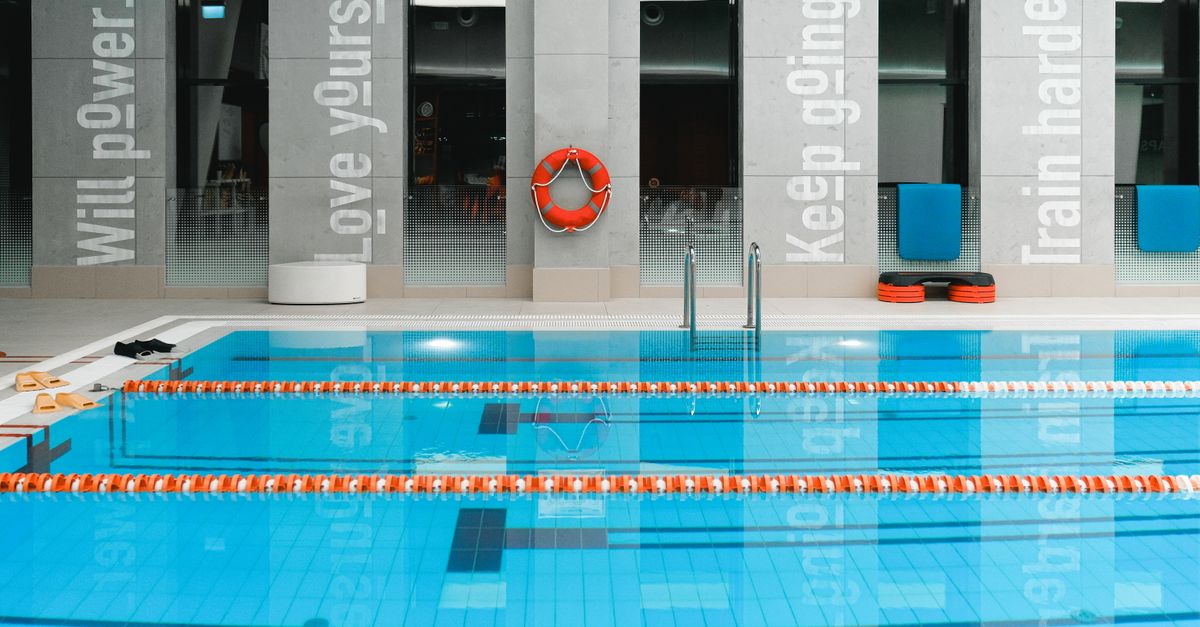
Apartment pool owners face limited space, strict HOA rules, and shared equipment. Choosing a cleaning strategy requires balancing cost, convenience, and energy efficiency while keeping algae at bay and water crystal clear.
1. Understanding Energy‑Efficient Pool Cleaning
Energy efficiency goes beyond solar heaters; it covers the entire maintenance routine. In 2026, several technologies combine automation with low power consumption.
Key Features of an Energy‑Efficient System
- Low‑power motors (≤ 400 W): Brushless designs deliver strong cleaning while using half the energy of older units. A 400 W vacuum can run for over two hours on a single charge.
- Smart scheduling: Integration with time‑of‑use tariffs lets controllers start vacuums at midnight, shaving 15–20 % off monthly bills.
- Variable speed pumps: Pumps only run as fast as needed to maintain pressure, cutting consumption by up to 60 % versus constant‑speed models.
- Integrated UV or salt‑chlorine systems: These reduce chemical use and limit frequent shock treatments.
- Real‑time monitoring via a mobile app: Alerts for high filter pressure or low chemicals let owners act before costs rise.
Selecting a system with these features lowers operational expenses while ensuring consistent water quality.
2. Weekly Pool Care Experts vs DIY Solutions
Many apartment owners hire weekly experts, but that can be costly and may not reflect the latest energy‑saving practices. Compare both approaches to find what fits your budget and lifestyle.
When a Weekly Pool Care Expert Makes Sense
- Limited time or physical ability: Professionals handle skimming, balancing, and checks during off‑peak periods.
- HOA requires quarterly inspections: Experts ensure compliance without fines.
- Complex plumbing or shared filtration lines: Professionals fine‑tune systems for maximum efficiency.
- Sudden algae blooms: Technicians quickly identify pH drift, circulation issues, or clogged filters.
When DIY Is More Practical
- A spare weekend and basic tools: Vacuuming, skimming, and chemical checks are doable with minimal equipment.
- Small pool (≤ 1,200 sq ft): Less water means shorter pump cycles.
- Energy‑efficient system installed: Smart vacuums or UV units handle routine work autonomously.
- HOA allows self‑management: Many associations permit resident maintenance if documented properly.
I find that a smart cleaning system coupled with quarterly professional inspections offers consistent low power usage and peace of mind.
3. Algae Removal Services – What to Look For
Algae spreads quickly in shared pool areas. A reliable service should blend chemical control with mechanical cleaning.
Essential Criteria for Algae Removal Services
- Non‑toxic, biodegradable algicides: Enzyme treatments break down organic matter safely.
- High‑efficiency filters (≥ 10 GPM per sq ft): Capture fine spores that standard sand beds miss.
- Automated brush systems with remote scheduling: Robotic brushes ensure uniform coverage of walls and tiles.
- Quick response (≤ 48 hrs): Stops minor blooms from escalating.
- Transparent pricing: Clear breakdowns for labor, materials, and equipment keep budgeting simple.
Ask for a detailed report and verify local environmental compliance. ISO 9001 or similar certifications signal reliability.
4. Pool Cleaning for Apartments – Space‑Saving Tips
Limited access points require smart equipment placement and workflow design.
Compact Equipment Choices
- Foldable or telescoping brushes: Fit standard storage boxes behind the deck.
- Portable vacuum heads with adapters: Clip onto existing lines for retrofit installations.
- Wireless, battery‑powered skimmers: Reduce cord clutter and allow free movement.
Workflow Optimization
- Daily: Skim surfaces with a lightweight net; check temperature and adjust heat set points.
- Weekly: Run the automated vacuum during off‑peak hours; inspect filter cartridges by back‑pressure gauges.
- Monthly: Clean skimmer baskets, flush filters with high‑pressure water, and verify drain line clearance.
- Quarterly: Deep clean with an algae removal service; review HOA compliance documents and update safety signage.
Follow this schedule to keep energy use low while maintaining pristine water. Place all equipment on non‑slip surfaces to meet safety codes.
5. Pool Drain Cleaning – Why It Matters
Drain clogging raises pump load and increases energy usage. Regular cleaning is essential for long‑term efficiency.
Signs Your Drain Needs Attention
- Unexpected water level drop after rain: Indicates inefficient drainage.
- Pump runs longer than normal: A clogged drain forces the pump to work harder.
- Visible debris or algae at the entrance: Obstructs flow and promotes microbial growth.
Effective Cleaning Techniques
- Manual inspection: Use a flashlight or camera probe to check for buildup, cracks, or loose fittings.
- Chemical flush: Apply a mild, biodegradable cleaner that dissolves organic deposits.
- Mechanical removal: Run a high‑pressure water jet; if needed, use a flexible drain snake or hydrojet to dislodge debris.
A well‑maintained drain keeps the pump at optimal speed, saving energy and extending equipment life.
6. Choosing the Right Equipment – A Checklist
The market offers many options; not all are created equal. Compare models on these criteria.
Checklist Items
- Motor power (≤ 400 W): Less electricity for adequate cleaning.
- Variable speed control: Adjusts flow based on real‑time pressure readings.
- Integrated UV or salt‑chlorine system: Reduces chemical usage and keeps water clearer.
- Smart app connectivity: Enables remote monitoring, scheduling, and alerts.
- Noise level (≤ 60 dB): Quiet operation for residential areas.
- Local warranty & service support: Faster response times within the HOA district.
Investing in a low‑power, remotely monitored model pays off through lower utility bills and fewer maintenance visits.
7. Cost Analysis – Upfront vs Long‑Term Savings
High‑tech systems can seem pricey, but energy savings and reduced chemical use quickly offset the cost.
Typical Price Ranges
- Basic automated vacuum: $300–$600
- Smart system with UV/salt module: $1,200–$2,500
- Professional algae removal service (quarterly): $150–$250 per visit
Projected Savings Over Five Years
- Electricity: 30 % reduction → ~$600 saved.
- Chemicals: 20 % lower usage → ~$300 saved.
- Labor: Fewer visits → ~$400 saved.
The total savings can exceed the initial cost within two to three years. For example, a $1,500 smart system that saves 30 % on energy and halves labor costs breaks even after roughly 28 months.
8. Maintenance Tips for Energy Efficiency
Even the best systems need upkeep. Follow these steps to keep energy usage low.
Daily Checks
- Test pH and chlorine; adjust as needed.
- Skim debris with a lightweight net.
- Inspect for leaks around skimmer baskets and drain covers.
Weekly Tasks
- Run the automated vacuum 30–45 minutes on the lowest speed setting.
- Check filter cartridges; back‑wash if clogged.
- Verify water temperature sensor calibration.
Monthly Tasks
- Flush filtration with high‑pressure water to remove sludge.
- Check drain line using the mechanical method described earlier.
- Calibrate pH sensor and chlorine generator, if installed.
Adhering to this routine keeps energy usage at its lowest while extending equipment life.
9. Future Trends – What 2027 Might Bring
The pool cleaning industry is evolving rapidly. Anticipating innovations helps maintain an energy‑efficient setup.
- AI‑Driven Predictive Maintenance: Machine learning anticipates filter clogging for preemptive back‑washing.
- Solar‑Powered Pumps: Hybrid models combine PV panels with variable speed motors; a 1 kW array can offset up to 40 % of daily pump consumption.
- Biodegradable Algae Suppressants: Chemical‑free solutions that integrate seamlessly and reduce shock treatments.
- Smart Water‑Quality Sensors: Wireless nodes deliver real‑time data for precise dosing and lower chemical use.
Staying aware of these trends ensures your apartment pool remains state‑of‑the‑art and energy‑efficient for years to come.
Key takeaway: A well‑planned, low‑power cleaning system combined with periodic professional algae removal offers the best balance of cost, convenience, and environmental impact for apartment pools in 2026.In my experience, a smart pool cleaning system that runs on off‑peak hours saved me over $1,200 annually while keeping water quality consistently high. The only trade‑off was an initial learning curve to program the app; once mastered, maintenance became almost effortless.
What energy‑efficient pool cleaning strategy have you found most effective for your apartment setting?

