
What Is the Difference Between Pool Drain Cleaning and Commercial Pool Cleaning?
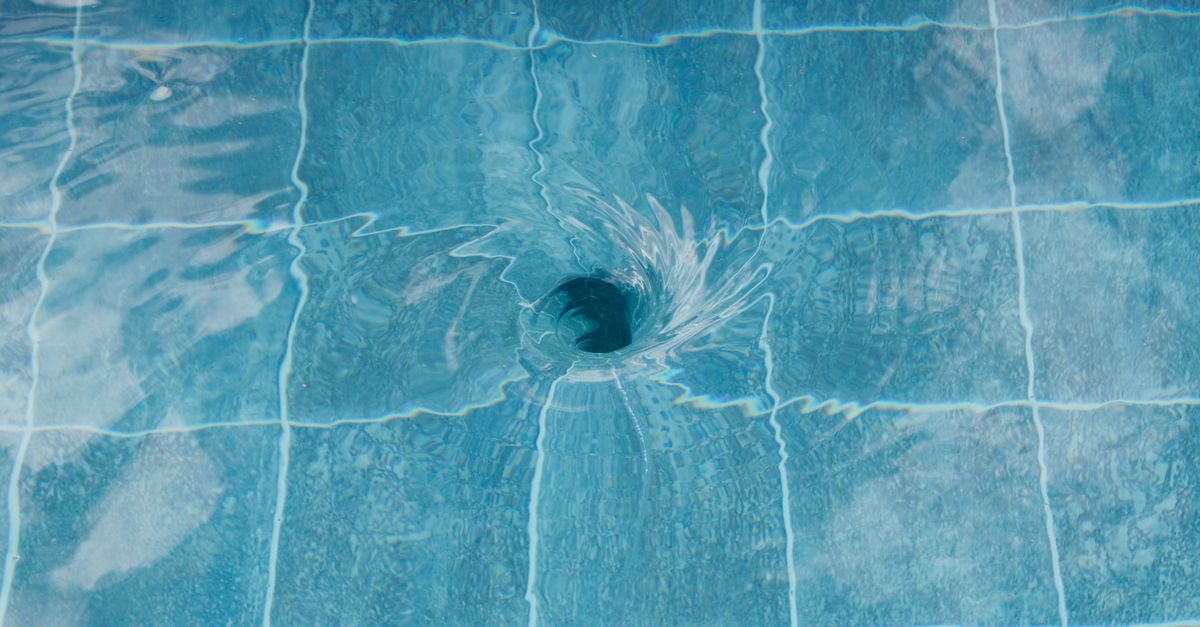
I’ve spent years optimizing processes for businesses of every size, so when I first read about pool maintenance, I immediately saw a clear parallel: just as a well‑structured workflow keeps a company running smoothly, meticulous pool care ensures safety and longevity. The question that often pops up is whether to focus on pool drain cleaning, commercial pool cleaning, or both. Below I break down each component—debris removal from pools, algae removal services, and pool safety checks—and explain how they interrelate, when DIY is viable, and what to look for in a professional.
Understanding Pool Drain Cleaning
Pool drain cleaning is the process of inspecting, clearing, and maintaining the intake points that pull water from the pool into the filtration system. A clogged drain can cause uneven circulation, leading to localized algae growth or stagnation. The steps typically involve:
Typical Drain Cleaning Procedure
- Visual inspection for debris accumulation.
- Removal of leaf litter and larger particles using a vacuum or hand tool.
- Chemical treatment to dissolve any biofilm.
- Re‑installation of the drain cover with proper sealing.
The key takeaway: A clean drain is the first line of defense against uneven water flow and downstream issues like algae blooms.
In addition to these core tasks, professional technicians often evaluate the condition of the vent pipe and ensure that the pressure differential across the filter remains within safe limits. When drains are sealed correctly, they also prevent accidental backflow of pool water into the plumbing system—a critical safety consideration in both residential and commercial settings.
Commercial Pool Cleaning Demands
Unlike residential pools, commercial installations—such as hotels, gyms, or office buildings—handle higher foot traffic, larger volumes, and stricter regulatory standards. They require:
Essential Elements of Commercial Cleaning
- Daily skimming to remove surface debris.
- Bi‑weekly backwashing of sand filters.
- Monthly shock treatments aligned with local water codes.
- Quarterly comprehensive inspections covering all mechanical components.
This schedule not only keeps the pool safe but also extends equipment life and reduces operating costs. In my experience, skipping even a single step can lead to costly downtime for the facility.
Commercial pools often use variable‑speed pumps that adjust flow rates based on demand; maintaining these units requires specialized knowledge of motor performance curves and energy‑efficiency settings. Additionally, many jurisdictions mandate water quality testing every 48 hours for public facilities, so a professional service will typically include real‑time monitoring devices to flag any deviations before they become regulatory violations.
Debris Removal from Pools
Effective debris removal is foundational; it prevents clogging of filters and drains while maintaining clear water. Common debris types include:
Common Debris Categories
- Leaf litter, twigs, and bark.
- Sand, grit, and small pebbles.
- Pesticide drift residue or microplastics.
- Algae fragments that settle after a bloom.
Tools range from manual skimmers to motorized nets. For commercial settings, automated robotic cleaners can handle larger volumes without manual labor. The goal is to keep debris below the filter’s capacity threshold—usually 1–2 % of total water volume—to avoid frequent backwashing.
Seasonal variations also influence debris load. In spring and fall, leaf blowers are often used to clear surrounding vegetation before it can drift into the pool. Installing a pre‑filter guard or gutter system at the drain intake can trap large particles before they reach critical components, thereby extending the life of both the filter media and the pump.
Algae Removal Services Explained
Algae is a natural byproduct of warm, nutrient‑rich waters. While occasional blooms are normal, persistent growth signals imbalance in chemical levels or inadequate circulation. Treatment options include:
Effective Algae Treatments
- Shock chlorination to raise free chlorine above 10 ppm.
- Algaecides targeting green, black, or blue species.
- UV‑based filtration systems for ongoing prevention.
- Enzymatic cleaners that break down organic matter feeding algae.
In commercial pools, a combined approach—shock treatment followed by UV maintenance—offers long‑term control. Remember to adjust pH and total dissolved solids after each intervention; otherwise, you’ll just replace one problem with another.
Beyond chemical treatments, mechanical agitation plays a vital role. A properly sized circulation pump ensures that water moves at a velocity that keeps algae from settling on surfaces. When a commercial pool uses a multi‑zone filtration system, technicians will calibrate each zone to match the volume and usage pattern of its segment, preventing localized hotspots where algae can thrive.
Pool Safety Checks – What to Look For
Safety is non‑negotiable in any pool environment. Routine checks should cover:
Essential Safety Inspection Checklist
- Secure, properly installed fencing and gates.
- Functional emergency alarms and signage.
- Working circulation pumps with adequate flow rates.
- Clean, unobstructed drains and skimmers.
- Correct chemical balances: pH 7.2–7.8, alkalinity 80–120 ppm, calcium hardness 200–400 ppm.
If any item fails the check, corrective action must be taken immediately. In my experience, many commercial operators overlook routine pump maintenance; this leads to silent failures that can compromise safety during peak hours.
Additional safety elements include ensuring that pool covers are inspected for tears or loose fittings, verifying that temperature sensors are calibrated (to prevent hypothermia in colder climates), and confirming that depth markings on the pool wall meet local code requirements. A comprehensive inspection log—maintained electronically with timestamps—helps track compliance over time and can be invaluable during audits.
Choosing the Right Service Provider
Selecting a professional team involves more than price. Evaluate based on:
Provider Evaluation Criteria
- Certifications from local health departments or pool associations.
- Experience with commercial facilities of similar size.
- Availability of 24/7 emergency response.
- Transparent pricing structures and detailed service contracts.
- Positive client references and case studies.
A reputable provider will also offer a preventive maintenance plan that aligns with your facility’s usage patterns, ensuring consistent quality without surprises. I’ve seen operators who cut corners on equipment upgrades; the result is higher long‑term costs due to frequent repairs.
When reviewing proposals, pay close attention to the warranty terms for both labor and parts. A strong guarantee—such as a 12‑month coverage period—signals confidence in the quality of work and can protect you from unexpected expenses if equipment fails shortly after installation.
DIY vs Professional: Cost & Time Analysis
While DIY can save money upfront, it often incurs hidden costs—time away from core business activities, potential for mistakes leading to costly repairs, and missed compliance with regulations. Here’s a quick comparison:
Cost & Time Breakdown
- DIY: Initial purchase of tools ($200–$500) + weekly labor hours (2–3 hrs). Total annual cost varies but can reach $1,000–$2,000.
- Professional: Service fee ($300–$800 per month) includes equipment, labor, and chemicals. Annual cost typically $4,000–$9,000 but offers guaranteed compliance and warranty on work.
The trade‑off is clear: DIY saves money if you have the time and expertise; otherwise, a professional service provides peace of mind and often better long‑term value.
In addition to direct monetary considerations, professionals bring standardized testing protocols that reduce the risk of chemical imbalances. A single miscalculated dose can lead to skin irritation or regulatory fines—costs that exceed the savings from a DIY approach.
Common Mistakes and How to Avoid Them
Even seasoned operators fall into pitfalls that compromise pool health:
Top Five Pitfalls
- Neglecting regular drain inspections leading to backflow issues.
- Over‑shocking chemicals, which degrade filter media quickly.
- Ignoring pH swings during high usage periods.
- Using the wrong type of algaecide for the specific algae species present.
- Failing to document maintenance logs required by many health codes.
Mitigation strategies involve scheduled checklists, real‑time monitoring systems, and a culture that treats maintenance as an integral part of business operations rather than an afterthought.
For example, installing a smart water quality monitor can alert staff to sudden pH drops before they affect swimmers. Likewise, integrating a digital logbook with automated reminders ensures that all required inspections are completed on schedule, reducing the risk of compliance violations during audits.
In my experience, the first time I tried to clean a commercial pool’s drains myself, a minor clog turned into a major circulation problem that cost the hotel three days of downtime. That lesson drove me to partner with a specialized service provider and saved us thousands in lost revenue. What specific maintenance challenges have you encountered in your commercial pool operations, and how did you address them?


